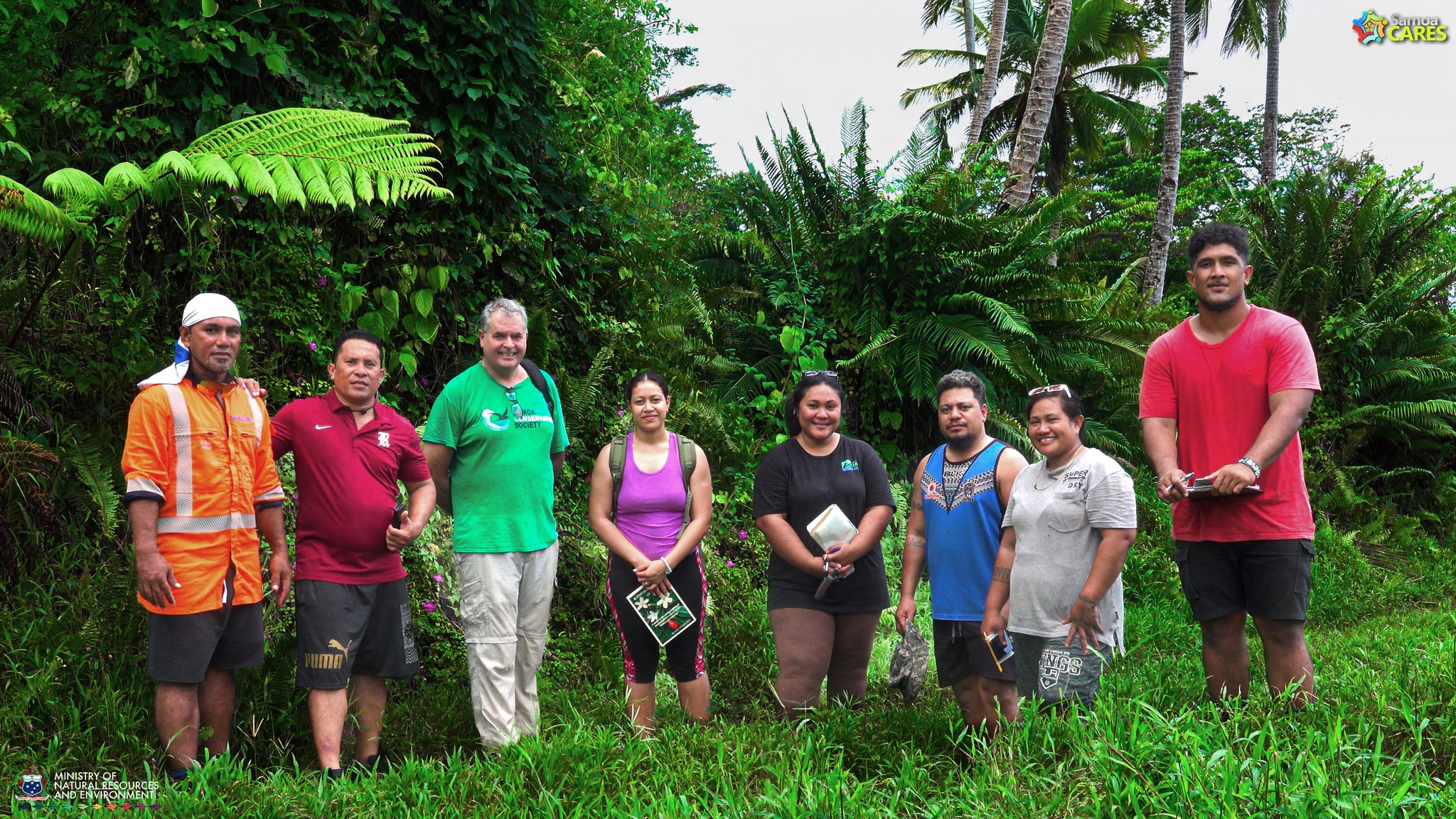
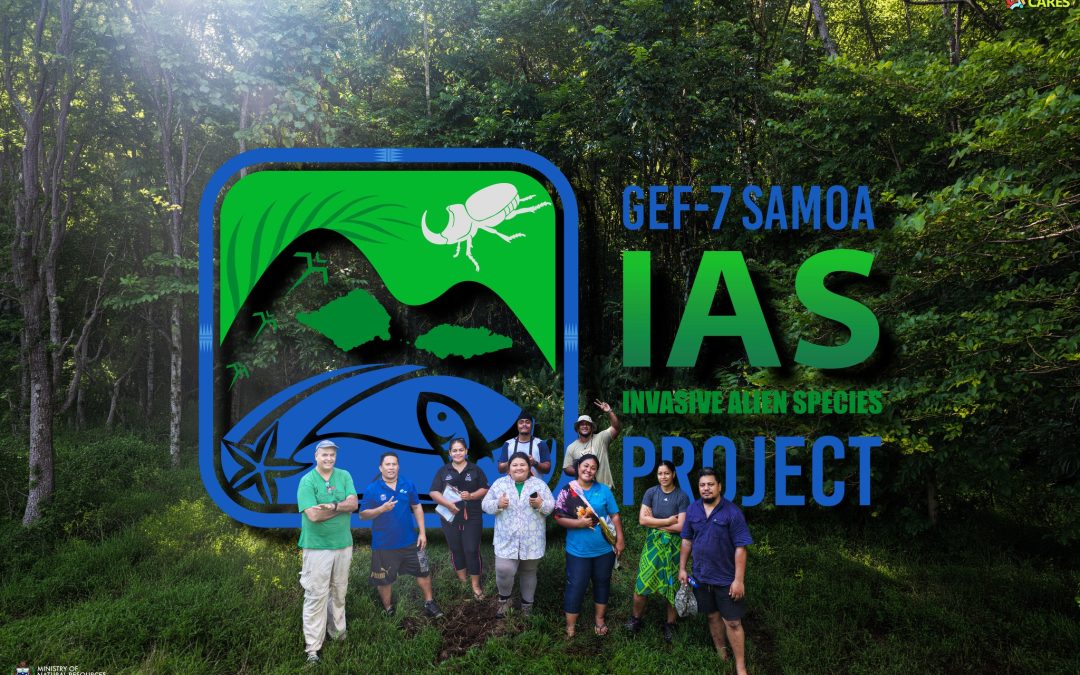
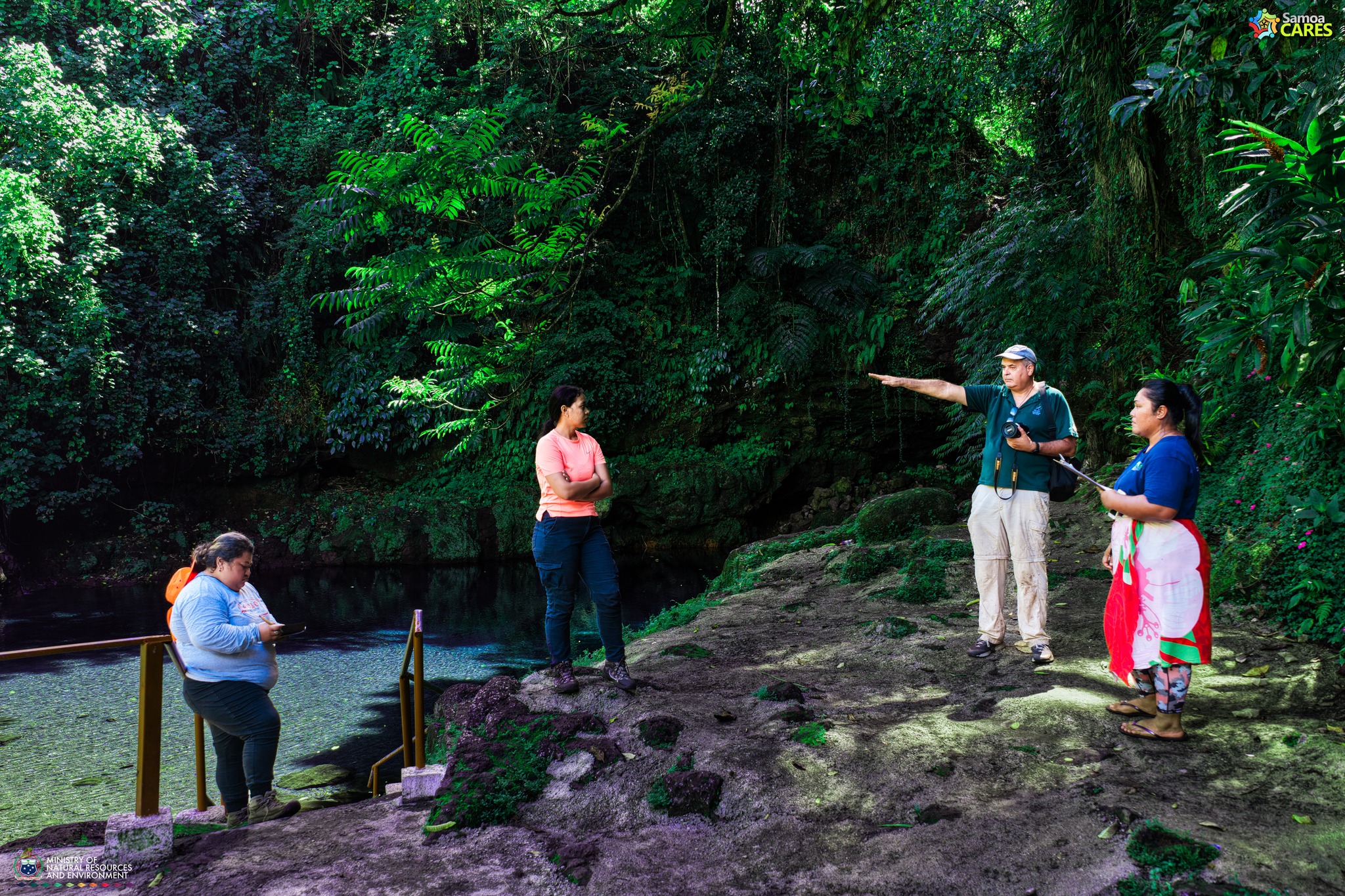
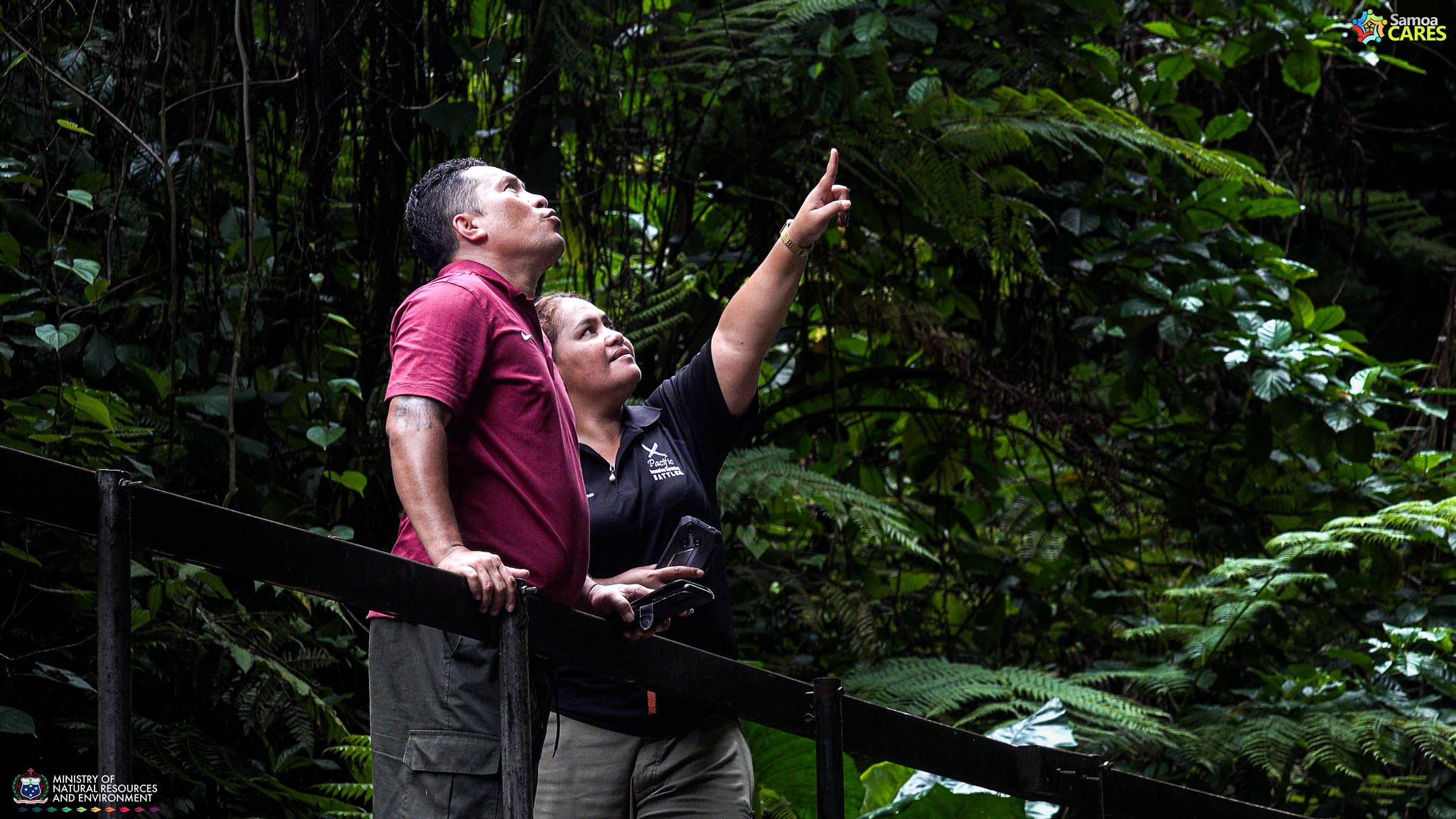
🦋🦋The Ministry, through its GEF-7 Samoa IAS project, conducted rapid field surveys to validate key IAS species within the Falealupo Community Conservation Area (CCA), Falelima National Park, Mauga Salafai National Park, Lanoto’o National Park, Safata Marine Protected Area, and the Sanapu-Sataoa CCA.
 The Ministry’s Forestry Division and Division of Environment Conservation have been working closely with Afi’a James Atherton to ensure IAS considerations are systematically incorporated into the management of selected PAs, Community Conservation Areas (CCAs) and Community Fish Reserves (CFRs) into adjacent areas that function as buffer zones and locations with PA expansion potential, and into the selected catchments as a whole to ensure that the land is effectively managed for biodiversity, soil and water conservation whilst ensuring IAS risks and impacts are minimized to the extent possible.
 The focus of the project under this output is to strengthen IAS prevention and management to reduce the likelihood of introductions from community-managed productive sectors (agriculture, forestry, crop plantations, plant nurseries, fisheries, etc.) activities in the catchments surrounding the selected PAs. This requires identifying invasive species and associated pathways at, or adjacent to PA sites to provide baseline information that could support determination of appropriate prevention and risk reduction strategies.
 The Ministry would like to acknowledge the partnership and ongoing support of the UNDP through the GEF-7 Samoa IAS Project.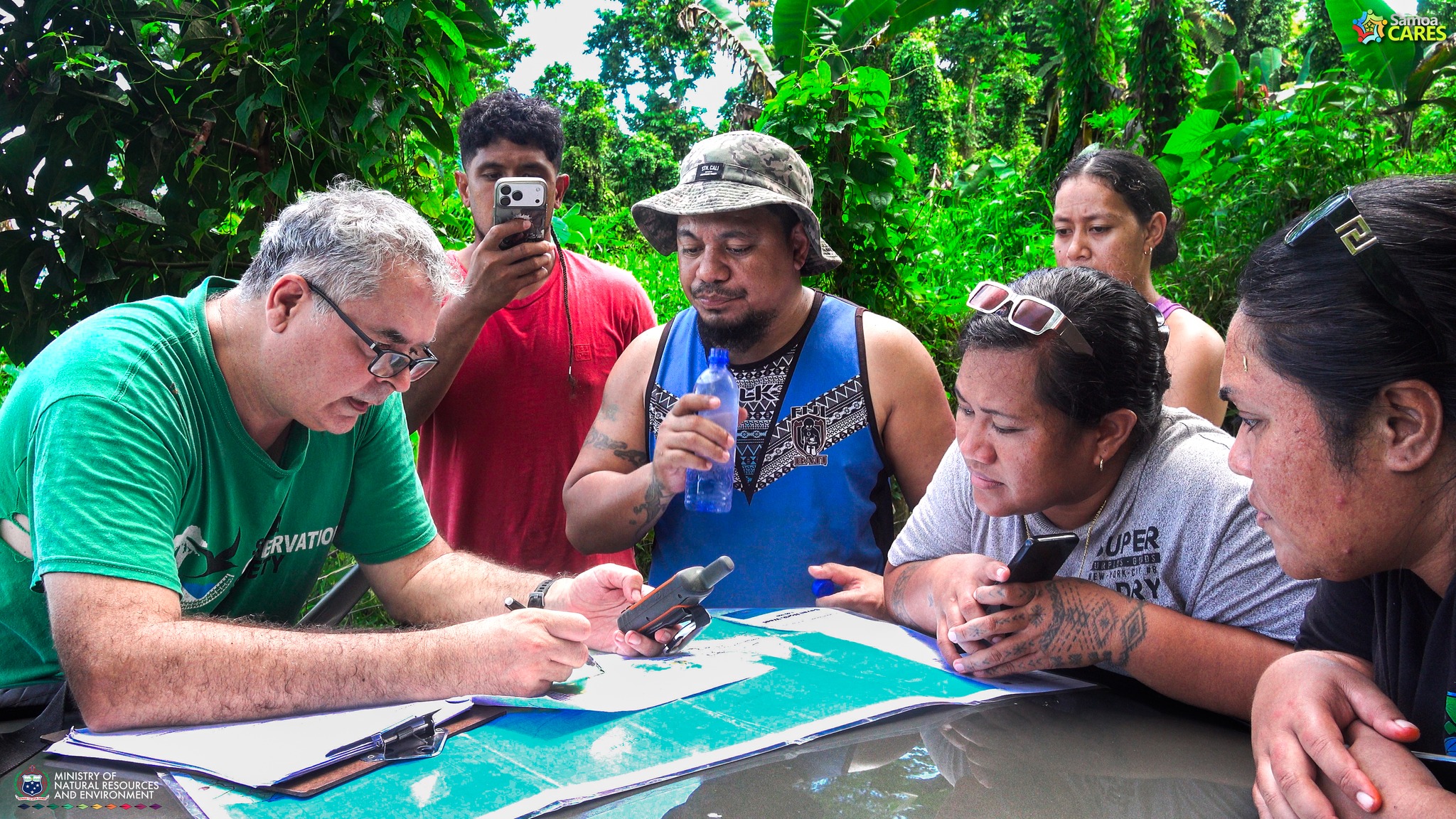
687051328_1273280644993292_5562286544241573159_n
default
default
687671934_1273280108326679_3708262343099214976_n